
8 6F Section 8 雨のベリール Belle-Île, Rain Effect 1886年 石橋財団アーティゾン美術館蔵 1886, Artizon Museum, Ishibashi Foundation
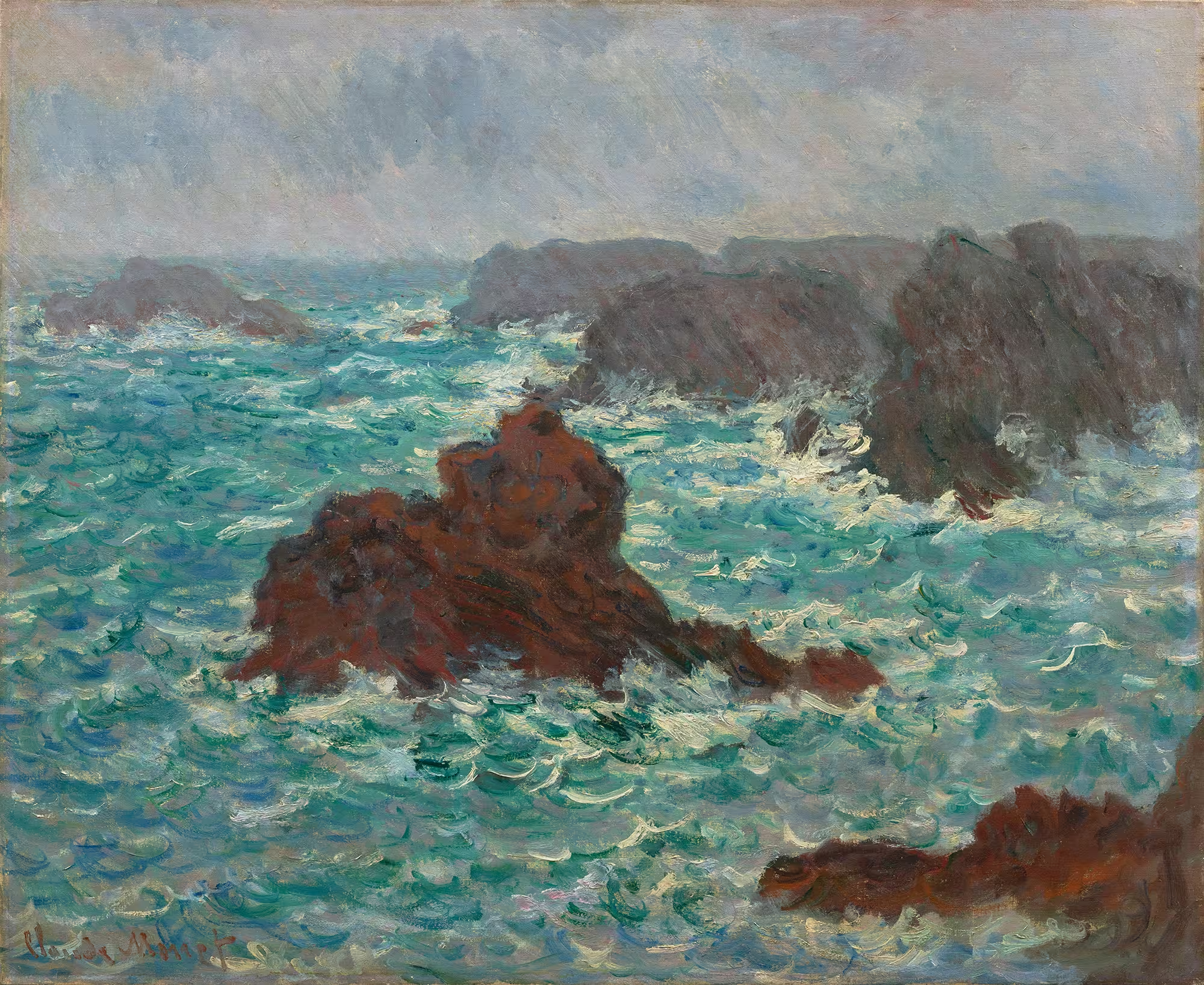 《雨のベリール》 1886年
Belle-Île, Rain Effect, 1886
《雨のベリール》 1886年
Belle-Île, Rain Effect, 1886
モネは1880年代、新しいモティーフを求めて盛んに制作旅行に出かけ、フランスの景勝地を数多く描きました。モネが1886年9月から11月末まで滞在した、「美しい島」という意味の小さな島ベリールは、ブルターニュ半島の南にあります。フランスのブルターニュ地方は多くの画家に愛された土地でした。モネがベリールを描いた油彩画は現在40点ほどが知られています。画面の中ほどには、ポール=ドモワ湾の中央に位置する「ギベル」と呼ばれる岩が見えます。激しい雨音が聞こえてきそうな横なぐりの雨は、斜めのタッチで表現され、遠くの岩は雨でかすみ、しっとりと濡れています。海を描く多彩な色の曲線はその深さを物語り、スピード感に溢れた筆遣いからは波の荒々しさが伺えます。岩に波が砕け散るこのイメージには、北斎など日本美術からの影響があるといわれています。
During the 1880s, Monet went on a series of production trips in search of new motifs and painted many scenic spots in places around France. On one of these trips, he visited a small island off the south coast of the Brittany peninsula where he stayed from September to the end of November 1886. The island's name is Belle-Île, literally meaning "beautiful island." Brittany was a region that was loved by many artists. About 40 oil paintings depicted by Monet at Belle-Île are known to exist today. In the middle foreground of this painting you can see the Guibel Rock, situated in the center of the narrow bay of Port-Domois. The slanting rain, which is effectively expressed with diagonal brushstrokes, seems so intense that one can almost hear the sharp sound as it pours down, while the rocks in the distance are veiled and soaked by the rain. The curving lines in various colors depicting the sea attest the depth of the water, and the hastily executed brushstrokes illustrate the violence of the waves. It is said this image of waves breaking on rocks was influenced in part by Japanese Art such as works by Hokusai.